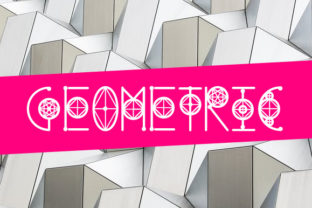
Round Geometric: A Practical Evaluation of Circular Design Principles
When evaluating design approaches, the distinction between angular and curved forms often represents more than an aesthetic preference. Round geometric design—which emphasizes circles, spheres, arcs, and other curved or rounded shapes—has gained traction across graphic design, product development, architecture, and user interfaces. For anyone researching, comparing, or selecting a design direction, understanding what this approach entails, where it excels, and where it falls short is essential for making an informed decision.
What Is Round Geometric Design?
At its core, round geometric refers to the deliberate use of circular forms, smooth curves, and rounded corners as primary visual or structural elements. Unlike rectilinear design, which relies on straight lines, right angles, and sharp intersections, round geometric favors continuous, flowing outlines. This can manifest in everything from logo marks and icon sets to furniture profiles, building facades, and mobile app buttons.
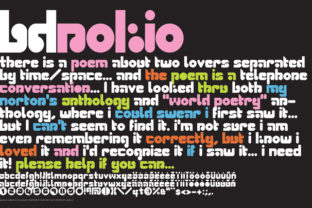
The term “geometric” here is important: these are not organic, freehand curves but mathematically precise arcs, concentric circles, and symmetrically arranged rounded shapes. The approach borrows from classical geometry while adapting to modern sensibilities. In typography, round geometric typefaces (such as certain sans-serif fonts) feature circular letterforms with minimal variation in stroke width. In UI design, rounded buttons and cards have become a de facto standard for conveying approachability.
What distinguishes round geometric from other curved styles is its reliance on repeatable, scalable rules. Whether you are designing a single icon or a full product system, the underlying geometry provides consistency—a key consideration for anyone evaluating whether to adopt this style at scale.
Why Consider Round Geometric? Key Motivations
People researching this approach are often driven by several practical and perceptual factors. Understanding these motivations helps clarify whether round geometric aligns with your specific goals.
Perception of Friendliness and Safety
Numerous studies in psychology and human-computer interaction indicate that rounded shapes are perceived as more approachable, safe, and harmonious than angular ones. Round geometric forms reduce visual tension, making interfaces and physical products feel less aggressive. For brands targeting family audiences, wellness sectors, or creative industries, this perceptual cue can be a strategic advantage.
Universal and Timeless Appeal
Circles are among the most fundamental shapes in nature and human culture. From the sun and moon to wheels and coins, round forms carry universal associations with completeness, continuity, and cycles. Designs built on round geometric principles often feel less tied to fleeting trends than those relying on sharp, edgy aesthetics. This is a significant consideration if you need a look that endures beyond the current design season.
Guidance of Eye Movement and Focus
In visual design, curves can guide the viewer’s gaze along a path more gently than straight lines. Circular elements create focal points that draw attention without abrupt stops. In UX, round geometric buttons, profile avatars, and progress indicators improve scanability and reduce cognitive load. If you are designing a dashboard or mobile experience where user flow is critical, this is a practical benefit worth weighing.
Manufacturing and Structural Advantages
In product and architectural design, rounded corners and spherical forms can distribute stress more evenly, reduce sharp edges that pose safety risks, and simplify certain manufacturing processes like injection molding or CNC routing. Rounded profiles also tend to resist chipping and wear better than sharp corners over time. For physical products—especially those intended for heavy use or children—these engineering tradeoffs matter.
Benefits and Tradeoffs of Round Geometric
No design approach is universally superior. Below is an objective look at what you gain and what you may need to compromise on when choosing round geometric.
Benefits
- Improved approachability: Visual softness reduces perceived hostility, making products and interfaces feel more welcoming.
- Consistency at scale: Because round geometric relies on repeatable arcs and radii, it lends itself well to design systems and component libraries.
- Reduced visual noise: Curved forms create fewer abrupt transitions, resulting in calmer, more unified compositions.
- Better ergonomics (physical products): Rounded edges fit the human hand more naturally and are less likely to cause injury.
- Strong brand differentiation: In markets saturated with angular logos and sharp lines, a round geometric identity can stand out.
Tradeoffs and Considerations
- Perception of passivity or lack of seriousness: In contexts where authority, precision, or urgency is paramount—such as legal, financial, or industrial design—round forms may appear overly casual or weak.
- Reduced information density: Curved layouts often require more whitespace to maintain clarity, which can limit how much content fits on a screen or page.
- Design complexity: Creating mathematically precise round geometric forms requires careful attention to radii, tangents, and alignments. Poorly executed curves look sloppy, not intentional.
- Potential for sameness: As many tech and lifestyle brands have adopted rounded aesthetics, the style risks losing distinctiveness if not executed with unique details.
- Structural challenges in architecture: Curved walls and spherical structures often require custom materials, specialized labor, and higher costs compared to straight-line construction.
These tradeoffs are not dealbreakers, but they highlight why a blanket endorsement of round geometric is unhelpful. Your specific use case should guide your decision.
Where Round Geometric Is a Strong Fit
Certain scenarios naturally reward a round geometric approach. If your project aligns with any of the following, it is worth prioritizing this direction.
Consumer-Facing Digital Products
Mobile apps, websites, and software targeting broad audiences benefit from the perceived warmth and ease of rounded interfaces. Rounded buttons, circular avatars, and curved card edges reduce friction in user journeys. For onboarding flows, error messages, or confirmation dialogs, round geometric elements can make the experience feel less intimidating.
Branding for Health, Wellness, and Child-Focused Markets
Brands in healthcare, childcare, fitness, organic food, and mental wellness often use round geometric logos and packaging to signal care, safety, and holism. A rounded logo mark paired with a soft color palette can convey trust without relying on overt medical or clinical cues.
Products Requiring High Ergonomics
Handheld tools, kitchen utensils, toys, and wearable devices gain tangible benefits from rounded forms. A grip designed with round geometric principles reduces pressure points and accommodates a wider range of hand sizes. In these cases, the design choice is not merely aesthetic but functional.
Environmental Graphics and Signage
Wayfinding systems that incorporate circular symbols and rounded typography tend to be more legible at a distance and from oblique angles. Curved forms also echo natural environments, making them appropriate for parks, museums, and public spaces where harmony with the surroundings is important.
When Alternatives May Be Worth Considering
While round geometric has many strengths, it is not the optimal choice for every context. The following situations may call for a different approach.
Corporate, Legal, and Technical Documentation
Industries that demand precision, authority, and formality—such as law, finance, engineering, and government—often favor rectilinear or minimalist angular designs. Sharp lines and right-angle layouts communicate structure, seriousness, and efficiency. A completely round geometric identity in these fields might be misinterpreted as unserious or overly playful.
High-Density Information Displays
Dashboards, data tables, and analytical interfaces require maximum information density. Rounded frames and circular graphs can consume precious space and reduce the amount of data visible at once. While rounded elements can be used sparingly for key metrics, a fully round geometric layout may compromise utility.
Edgy, Avant-Garde, or Subversive Branding
If your goal is to disrupt, challenge, or create tension, angular and asymmetrical forms may serve you better. Round geometric tends toward harmony and resolution, which can feel too safe for brands aiming to provoke or stand out through friction.
Budget-Constrained Physical Construction
In architecture and product design, curved elements often inflate costs. If your project has tight budget or timeline constraints, sticking with straight lines and standard right angles can save significant resources. Evaluate whether the perceptual benefits of round geometric justify the additional expense in your specific build.
Practical Decision-Making Insights
To determine whether round geometric aligns with your goals, move beyond general impressions and apply a structured evaluation.
- Audit your audience expectations. What visual language do your users associate with trust, quality, and relevance? A young creative audience may welcome rounded forms; a conservative corporate audience may not.
- Test both directions. Create parallel mockups or prototypes—one using round geometric principles, another using rectilinear or mixed geometry. User testing can reveal whether the curved approach actually improves comprehension, click-through, or emotional response.
- Consider adaptability over time. Will your brand or product evolve? Round geometric is relatively timeless, but if you anticipate pivoting toward a more serious or technical position later, an angular foundation may offer more flexibility.
- Assess implementation cost. In digital design, rounded elements are easy to implement with modern CSS and vector tools. In physical manufacturing, get quotes for both rounded and straight-line versions before committing.
- Look for hybrid opportunities. Many successful designs use a mix: round geometric for primary UI elements and angular accents for secondary actions, or vice versa. You do not need to commit entirely to one extreme.
Final Considerations for Selecting Round Geometric
Round geometric is not a trend or a whim—it is a design paradigm with deep roots in visual perception, practical engineering, and cultural symbolism. Its strengths in warmth, safety, consistency, and ergonomics make it a compelling choice for a wide range of applications. Yet its potential drawbacks in formality, information density, and distinctiveness mean it should not be adopted without scrutiny.
The most effective designs are those that match their visual language to their purpose. By evaluating your audience, your functional requirements, your budget, and your long-term positioning, you can decide whether round geometric serves your project or whether an alternative geometry would serve it better. Whichever path you choose, the goal remains the same: clarity, usability, and resonance with the people who matter most to your work.