Missgivelove: Practical Inspiration for Creators
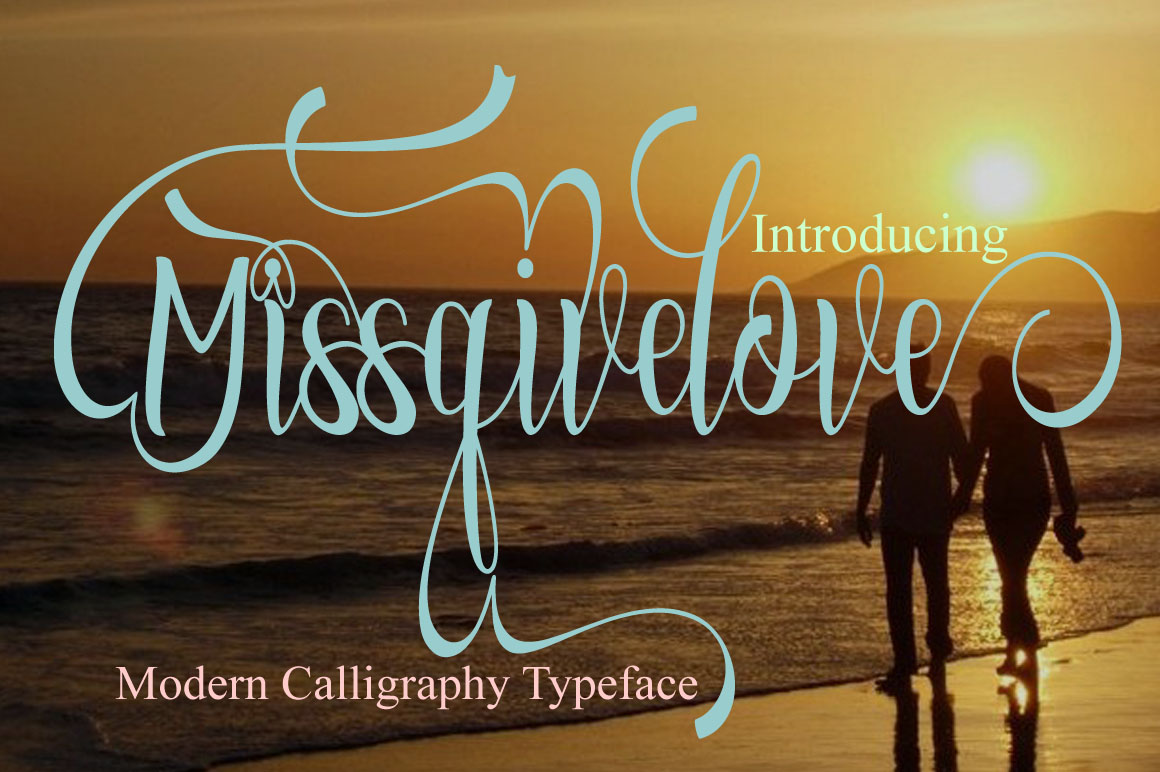
In a landscape cluttered with fleeting posts and algorithm-driven content, standing out requires more than a polished aesthetic. You need a genuine connection with your audience. That’s where the concept behind Missgivelove becomes valuable. Missgivelove isn't a specific platform or tool—it’s a mindset and a creative framework. It blends the intentionality of a carefully crafted message (a “missive”) with the emotional resonance of love and empathy. It’s about creating work that feels personal, purposeful, and worth someone’s time. For creators, marketers, and small business owners, this approach transforms routine output into meaningful communication that builds lasting trust.
Understanding the Missgivelove Approach
At its core, Missgivelove encourages you to treat every piece of creative work as a gift. Think of a hand-written letter versus a mass email. The letter takes time, thought, and an understanding of the recipient. It feels special. Applying this to your projects means shifting from “What do I need to say?” to “What does my audience need to hear?”. This simple shift unlocks a wealth of creative possibilities that feel grounded and effective.
The Foundation of Intentional Creativity
Start by identifying the “love” in your work. What value are you offering? For a designer, it could be a user experience that reduces friction. For a blogger, it might be an explanation that finally makes a complex topic click. For an entrepreneur, it could be a product description that addresses a real frustration. Missgivelove asks you to anchor every choice in empathy. When you lead with genuine care for your audience, your creativity has a clear direction. You stop guessing and start solving real problems with original ideas.
Creative Possibilities and Project Ideas
Once you adopt this lens, applications multiply across different mediums and formats. Below are several ways to put Missgivelove into practice, with realistic examples to spark your own adaptations.
Personalized Outreach Campaigns
Instead of a generic newsletter blast, create a short, targeted email series for a specific segment of your audience. Use what you know about their behavior or preferences. For example, if you run an online shop, send a “we noticed you liked X—here’s something we think you’ll love” message. Keep it brief, honest, and helpful. The format could be a simple list of three recommendations with a personal note. This makes recipients feel seen, not just targeted.
Brand Storytelling That Sticks
Editors and publishers can craft a single, powerful narrative around a product or service. Instead of listing features, tell a short story about how the item solved a problem for a real person. Use a first-person or observational style. For instance, describe a morning routine where a small tool made a difference. Include sensory details—the feel of the material, the quiet relief of efficiency—but keep it grounded. This builds an emotional anchor for your brand without being overly poetic.
Educational Content with Heart
Teachers, educators, and course creators can structure lessons around relatable narratives. Open a tutorial with a common mistake or frustration, then guide the learner through the solution step-by-step. Use analogies from everyday life. For a design tutorial, compare visual hierarchy to arranging a bookshelf—big items first, then smaller accents. This makes the information feel accessible and personal, which increases retention and sharing.
Social Media Series Built on Connection
Design a recurring social media feature that directly involves your audience. Ideas include a weekly “ask me anything” story, a behind-the-scenes process video with honest narration, or a “community spotlight” showcasing user creations. The key is consistency and genuine interaction. When you respond to comments with thoughtful, specific answers rather than emojis alone, you strengthen that missive-like quality. Over time, your followers become a community, not just a number.
Adapting Missgivelove for Different Roles
The framework offers flexibility. Different roles and goals require distinct interpretations, but the principle remains the same: intentional empathy.
For Designers and Creatives
Use this approach to create portfolios or case studies that tell a project’s story. Instead of just showing the final design, explain the user’s pain point and how you addressed it. Share a rejected sketch and why you pivoted. This demonstrates process, thoughtfulness, and human-centered thinking. Clients and collaborators appreciate seeing how you solve problems, not just that you craft pretty visuals.
For Marketers and Freelancers
Apply Missgivelove to copywriting and campaign strategy. Write landing pages that speak directly to a known frustration, then offer a clear, empathetic solution. Avoid jargon and hype. Use simple, direct language. For example, a freelancer promoting their services can lead with a common client worry: “You’re busy and need this done right. Here’s how I make that easy.” This builds trust faster than a list of credentials.
For Bloggers and Content Creators
Structure each post around a single reader question or challenge. Open with a short personal anecdote that demonstrates you understand the struggle, then provide actionable steps. Use headings to break down the process, and include a summary or a checklist at the end. This format ensures your content is both inspiring and immediately useful. It also keeps your writing organized and easy to scan.
For Small Business Owners and Entrepreneurs
Integrate this into your customer service and product design. Train your team to listen for unmet needs in conversations. Then, create a small, unexpected bonus—a handwritten thank-you note in a package, a personalized video walkthrough, or a free resource that solves a secondary pain point. These little gestures are the physical embodiment of Missgivelove and generate word-of-mouth naturally.
Keeping Your Results Clear and Effective
Empathy without structure can drift into vague territory. To stay effective, you need to combine emotional intelligence with practical organization. Here are strategies to maintain clarity and consistency.
Define Your Audience’s Needs Specifically
Create a simple one-sentence summary of the person you’re creating for. Include their role, a key challenge, and a desired outcome. For example: “Busy marketing manager needs quick social templates that feel authentic but save time.” Use this sentence as a filter for every creative decision. If an idea doesn’t serve that specific person, set it aside. This prevents rambling and keeps your content focused.
Use Consistent Formats for Repetitive Content
If you produce regular content, such as weekly emails or social posts, establish a format template. For emails, use a standard structure: greeting, one insight or story, a clear call-to-action, and a sign-off. This creates familiarity and reduces the mental load for both you and your audience. The format becomes a container for your missive, so the creative energy goes into the message, not the structure.
Test for Originality and Tone
Before publishing, read your draft aloud. Does it sound like you? Or does it mimic a generic brand voice? Your audience connects with your unique perspective, not a polished corporate tone. Keep your vocabulary natural. If you’re a casual person, let that show. If you’re more formal and precise, lean into that. Authenticity doesn’t mean sharing everything; it means being honest in what you do share. Small touches—like using contractions, asking rhetorical questions, or referencing a current event—add realness without sacrificing professionalism.
Organize for Scannability
Long blocks of text lose readers. Use short paragraphs, bulleted lists for key points, and clear headings. This is especially important for educators, marketers, and bloggers. A list of three actionable steps is easier to remember than a dense paragraph. Visual hierarchy in your text mirrors the clarity of your thinking. It also respects your audience’s time, which aligns perfectly with the Missgivelove mindset.
Making It Sustainable
Maintaining this approach over time requires setting boundaries. You cannot craft a deeply personal message for every single interaction. Prioritize where empathy and intention will have the most impact. Focus your Missgivelove efforts on high-value touchpoints: welcoming new subscribers, closing a major sale, or launching a significant project. For more routine communications, a slight personalization—like using the recipient’s name and referencing a recent interaction—is enough. Balance your creative energy so you can sustain genuine connection without burning out.
Ultimately, this framework is not a rigid system but a flexible mindset. It asks you to slow down, listen, and create with purpose. By doing so, you’ll not only produce work that resonates—you’ll build a practice that feels rewarding. And for any creator, that alignment between effort and impact is the most valuable outcome of all.