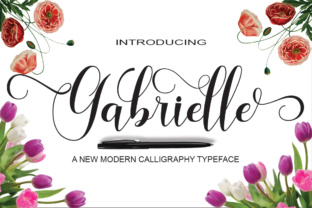
Gabrielle: A Creative Framework for Inspired Work
If you work with ideas—whether you design, write, market, teach, or build—you have likely felt the tension between freedom and structure. Creativity craves room to wander, yet results demand clarity. Gabrielle offers a way through that tension. It is not a rigid system or a vague philosophy. It is a grounded approach to making work that feels both intentional and alive.
At its heart, Gabrielle is about balancing elegance with purpose. Think of it as a creative stance: start with what is useful, then shape it into something that resonates. The name itself suggests a blend of strength and grace—qualities that suit anyone trying to produce meaningful work without burning out or losing sight of their audience.
This article explores what Gabrielle means in practice, how different creators can apply it, and why it works across formats, platforms, and goals.
What Makes Gabrielle Different
Many creative methods lean heavily on either structure or spontaneity. Gabrielle does not pick sides. Instead, it asks a simple question: What does this need to do, and how can it feel right while doing it?
This duality matters. When you focus only on function, your work can feel cold. When you chase only beauty, it can feel hollow. Gabrielle pushes you to hold both at once. A product page should sell, but it should also feel trustworthy. A blog post should inform, but it should also invite reading. A brand should communicate value, but it should also connect on a human level.
What makes Gabrielle interesting is that it does not prescribe a formula. It provides a lens. You bring your own skills, goals, and constraints. The framework adapts.
Creative Possibilities and Applications
Gabrielle applies across a wide range of creative work. Below are several ways different practitioners can use it to generate ideas, refine outputs, and stay consistent without becoming predictable.
For Designers and Visual Creators
If you design interfaces, graphics, or physical products, Gabrielle encourages you to question every element. Does this color serve a purpose beyond looking good? Does this layout guide the eye or distract it? The goal is not minimalism for its own sake—it is intentionality. A button should be easy to find, but it should also feel satisfying to click. A font should be readable, but it should also carry the right tone.
Try a simple exercise: take a project you are working on and remove one visual element. See if the message still lands. If it does, you have uncovered what is essential. If it does not, you now know what that element truly contributes.
For Writers and Content Creators
Gabrielle for writing means choosing clarity over cleverness, but warmth over dryness. You do not need to sound like a robot to be clear. You do not need to be flashy to be memorable. The sweet spot is language that feels natural and unforced, yet precise enough to deliver value.
Consider a newsletter or a blog post. Instead of packing it with adjectives and forced hooks, start with what the reader actually needs. Then deliver it with a tone that matches your personality. Gabrielle asks: Would I want to read this? Would I trust this?If the answer is yes, you are on the right track.
For Marketers and Brand Strategists
Marketing often swings between hard sell and soft storytelling. Gabrielle offers a middle path. Your messaging should be clear enough to drive action, but human enough to build relationships. This is especially important for small businesses and entrepreneurs who cannot afford to sound like faceless corporations.
Apply Gabrielle by auditing your customer touchpoints. Does your email sequence educate before it pitches? Does your social media share real insights, not just slogans? Does your landing page answer the visitor's question before asking for their email? These small shifts create trust, and trust drives conversions over the long term.
For Educators and Coaches
Teaching is creative work. Gabrielle helps you design learning experiences that are structured but not stifling. Whether you create a course, a workshop, or a single lesson, ask yourself: Is this material easy to follow? Is it also worth following? Learners need clarity, but they also need engagement. Break complex ideas into digestible pieces, then connect them to real-world applications. That is Gabrielle in action.
For Hobbyists and Side Project Builders
If you create for the joy of it—photography, illustration, music, coding, crafting—Gabrielle can protect your time and energy. It is easy to overcomplicate a side project. Gabrielle reminds you to stay grounded. What do you want this to express? What is the simplest way to express it? You can always add richness later. Start with what feels essential.
Adapting Gabrielle for Different Audiences and Platforms
One of the strengths of this approach is that it does not demand a single voice or style. You can adapt Gabrielle to fit your audience, your medium, and your goals. Here is how different contexts might shape your application.
Social Media
Platforms like Instagram, LinkedIn, and TikTok reward brevity and authenticity. Gabrielle here means every post should earn its place. Does it inform, inspire, or connect? If it does none of those, reconsider. For visual platforms, prioritize clear composition and genuine captions. For text-heavy platforms, lead with insight, not fluff.
Long-Form Content
Blogs, newsletters, and guides benefit from Gabrielle's emphasis on structure without sterility. Use headings, bullet points, and short paragraphs to make reading easy. But let your personality show in the examples, the anecdotes, and the way you explain things. Structure is the skeleton; voice is the life.
Brand Identity
Your brand colors, tagline, voice, and values should all reflect Gabrielle's core balance. Ask: does this feel polished but approachable? Professional but human? If your brand feels stiff, loosen it with conversational language. If it feels scattered, tighten it with a clearer focus on what you actually offer.
Practical Guidance for Staying Clear and Consistent
Gabrielle is not about perfection. It is about direction. Here are a few practical ways to keep your work clear, effective, and original without overthinking.
- Start with purpose. Before you create anything, write one sentence about what it should accomplish. Refer back to that sentence when you get lost in details.
- Edit for essentials. After your first draft or prototype, cut anything that does not serve the purpose. This includes words, images, features, and steps.
- Test for tone. Read your work aloud or show it to someone who represents your audience. Ask: does this feel right for the person I am trying to reach?
- Remain flexible. Gabrielle is not a cage. If a creative risk feels right and still serves the core purpose, take it. The framework supports intelligent deviation.
Realistic Examples of Gabrielle in Practice
Let us look at a few scenarios where Gabrielle changes the outcome.
Example 1: A Freelancer's Portfolio. Instead of listing every project you have done, select the few that best show your range and value. Write case studies that explain your process, not just the results. Use clean design that lets the work speak. A Gabrielle portfolio feels curated, not cluttered. It respects the visitor's time while showing what you can do.
Example 2: A Small Business Email. A promotional email announces a new product. Instead of a long sales pitch, you start with a short story about why the product was created. You explain its benefits in plain language. You include one clear call to action. The email feels like a note from a friend who happens to make great things, not a broadcast from a faceless company.
Example 3: A Blog Post on a Creative Topic. The writer wants to share a technique they use. They explain it step by step, but they also share a mistake they made along the way. They include visuals that clarify, not decorate. The tone is confident but not arrogant. Readers finish feeling they learned something useful and gained a bit of trust in the writer.
How to Keep Your Work Audience-Friendly Without Losing Originality
Some creators worry that being audience-friendly means watering down their ideas. Gabrielle suggests the opposite: serving your audience well requires clarity, but clarity does not demand simplicity. You can explore complex ideas as long as you guide the reader through them. Use analogies, examples, and plain language. Keep your unique perspective intact, but deliver it in a way that others can actually receive.
Originality comes from your specific experience, not from being different for its own sake. Gabrielle encourages you to trust that your point of view matters. Your job is to make it accessible, not to dilute it.
Bringing Gabrielle into Your Workflow
If you want to adopt this approach, start small. Pick one project this week and apply the Gabrielle lens. Ask what it needs to do and how it can feel right while doing it. Make one change based on that question. See how it affects the outcome. Over time, the habit will become instinct.
You do not need to overhaul everything at once. Gabrielle is not a system to install; it is a mindset to practice. The more you use it, the more natural it becomes to create work that is both useful and resonant.
Final Thoughts
Gabrielle is not about following rules. It is about making choices that serve both your purpose and your audience. Whether you are designing, writing, marketing, teaching, or building, this approach helps you stay grounded without losing inspiration. It lets you produce work that is clear, effective, and genuinely yours.
The best ideas are not the most complicated ones. They are the ones that land. Gabrielle helps your ideas land well.