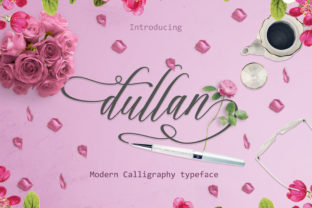
Dullan: A Practical Tool for Organizing Ideas and Getting Things Done
You’ve probably been there. A half-finished blog post, a list of client tasks scrawled on a sticky note, a voice memo with a business idea you recorded while driving, and a dozen browser tabs open with research that you’ll “get to later.” It’s not that you lack ambition—it’s that your tools don’t talk to each other. That’s the kind of friction Dullan is built to remove.
Dullan is a unified digital workspace that brings together note-taking, task management, and lightweight content creation in one place. It doesn’t try to be everything to everyone; instead, it focuses on helping you capture, organize, and move forward on your work without switching between six different apps. For anyone juggling multiple projects—whether you’re a freelancer, a small business owner, or a parent running a side hustle—that kind of simplicity can make or break your workflow.
Where Dullan Fits Into Real Workflows
Most productivity tools are built for either structured project management or freeform brainstorming. Rarely do they handle both well. Dullan bridges that gap. You can start with a rough idea in a plain note, tag it with a deadline, add a few subtasks, and later turn it into a polished document or outline. The transition from “thinking” to “doing” happens inside the same space, which means less context switching and fewer forgotten details.
Consider a freelance graphic designer who gets a brief from a client. In Dullan, they can paste the brief into a note, attach reference images (yes, it handles media), create a task list for each deliverable, and set reminders for revision deadlines. Later, they can write a short reflection on what worked—all in the same project folder. That kind of continuity saves time and mental energy.
Everyday Content Creation and Planning
Bloggers, newsletter writers, and social media managers often work with short deadlines and multiple content formats. Dullan’s editor keeps things clean. You can write a draft, add simple formatting, and use checklists to track progress through editing, scheduling, and publishing. There’s no heavy database to learn, no complex tagging system to set up. You just write, organize, and tick things off.
I know a part-time travel blogger who uses Dullan to plan entire trips. She creates a note for each destination, adds bullet points for must-visit spots, lists gear to pack, and even drafts photo captions while on the road. When she’s back, those notes become the backbone of her blog posts. The tool doesn’t judge if she writes three sentences one day and three paragraphs the next. It just holds the space.
Managing a Small Business or Freelance Operation
For entrepreneurs, the gap between ideas and execution is where most things fall through. Dullan helps close that gap. You can keep a running list of business ideas, separate from your active projects. Each idea can have notes on feasibility, next steps, and resources needed. When you’re ready, you move it into an active list and start assigning tasks.
A solo consultant I know uses Dullan to manage client engagements. He keeps a master list of all clients, each with a nested note for meeting notes, deliverables, and upcoming calls. He doesn’t need a full CRM—just a way to keep everything in one view. The tool’s search function lets him pull up any note instantly, which is invaluable when a client asks, “What did we agree on last month?”
Why Different Users Benefit in Different Ways
One of Dullan’s strengths is that it adapts to how you work rather than forcing you into a rigid system. A teacher might use it to plan lessons, track student progress, and draft parent communication. A writer working on a novel could create chapters as separate notes and use tags to track plot threads. A marketing team of two can share a workspace for campaign calendars and feedback notes.
Creators, especially those who work alone, often benefit most from the quiet simplicity. There’s no chat pinging, no notifications about someone editing the same doc. You open Dullan, you work, you close it. That focus is hard to find in collaborative tools that double as social platforms.
Realistic Scenarios Across Personal and Professional Life
- Meal planning and grocery lists. Create a note for each week’s meals, add ingredients, and check them off at the store. Share the list with household members if needed.
- Learning a new skill. Whether it’s web development or guitar, keep notes on resources, practice schedules, and progress. Add checklists for modules completed.
- Event planning. From birthday parties to community meetups, Dullan can hold budgets, vendor contacts, and a timeline all in one place.
- Research and reading. Save quotes, summaries, and ideas from books or articles, then link them to projects or content you’re creating.
These aren’t hypotheticals—they’re how real users already repurpose the same core features. The tool doesn’t need special modes for each scenario; its flexibility is the feature.
What to Consider Before Committing
No tool is perfect for everyone, and Dullan is no exception. If you need advanced Gantt charts, complex automations, or native mobile apps with offline sync, you might need to supplement it with other software. Dullan shines at lightweight organization and quick capture, but it isn’t a replacement for heavy-duty project management systems like Jira or Monday.
Also consider how you handle privacy. If you keep highly sensitive client data, check Dullan’s security policies. Most personal and small team use is fine, but enterprise compliance may require more rigorous data handling.
Another practical point: if you’re someone who thrives on visual kanban boards or very structured databases, Dullan’s simpler approach might feel too loose. Test it with a small project first. See if the way it organizes notes and tasks actually fits your thinking style. The best tool is the one you actually use, not the one with the most features.
Getting Started Without Overcomplicating It
The temptation when adopting a new workspace is to spend hours setting up folders, tags, and templates before you ever start working. Resist that. Open Dullan, create one note for something you’re actively working on—right now—and type a few ideas or next steps. Use a checklist if it helps. See how that feels. Then add a second note for a different area of your life. Over a week, you’ll naturally find patterns: maybe you like keeping all client work in a single note with linked subnotes, or maybe you prefer a separate note for each project.
That organic discovery is exactly how Dullan is meant to be used. It grows with you rather than requiring upfront configuration.
Connecting Features to Outcomes
Instead of listing features, think about what they mean in practice. The ability to embed images isn’t just a feature—it means a wedding planner can include photos of centerpieces alongside vendor contracts. The search capability isn’t just a feature—it means a researcher can find that one study they saved three months ago in seconds. The simple text editor isn’t just a feature—it means a writer can draft without fighting formatting.
Outcomes matter more than feature checklists. Dullan’s real value is in reducing the friction between having an idea and acting on it. That reduction compounds over days and weeks. A minute saved here and there adds up to hours of regained focus by the end of the month.
When You Might Want to Look Elsewhere
If your work demands real-time collaboration across large teams, or if you rely on deep integrations with a specific ecosystem (like Salesforce or Adobe), Dullan may not be the best fit. Its strength is in individual or small group workflows where simplicity matters more than integration. Also, if you need a tool that automatically syncs with your calendar or email, you’ll want to check whether Dullan offers those hooks. Some users find that a combination of Dullan plus a dedicated calendar app works perfectly fine; others prefer an all-in-one solution.
Final Thoughts on Real Use
Dullan works best when you stop asking “What can it do?” and start asking “What do I need to stop losing track of?” That shift in perspective changes how you approach the tool. It becomes less about mastering software and more about clearing mental clutter. The best reviews I’ve heard aren’t about features—they’re from people who say, “I used to forget follow-ups, now I don’t” or “I used to have notes in three places, now they’re all right here.”
That’s the practical edge Dullan offers. It won’t replace your expertise or creativity, but it can help you spend less time organizing and more time actually doing the work that matters. If that sounds like a trade-off you need, it’s worth giving a try.